Introduction

Legal basis, functions and values of the Energy Regulatory Commission.

Independent regulator of the energy sector

The Energy Regulatory Commission is the state body that regulates energy generation, transmission, distribution and supply under the Energy Law and balances the interests of consumers and licensees.

The Commission issues licences, reviews and approves tariffs, monitors compliance with licence conditions and requirements, and resolves disputes between consumers and licensees.

2001Established under the Energy Law
211Licensed legal entities
388Valid licences
21Aimag and Capital City Regulatory Councils

Core functions

badgeLicences

Issuing and monitoring licences for energy generation, transmission, distribution and supply.

View the register →
paymentsTariffs

Reviewing and approving licensees' tariffs according to the methodology.

Tariff database →
gavelLegal regulation

Developing and approving the sector's rules, procedures and methodologies.

Legal acts →
support_agentConsumer interests

Reviewing and resolving disputes between consumers and licensees.

File a complaint →
fact_checkInspections

Inspecting compliance with licence conditions and requirements.

query_statsInformation and transparency

Compiling sector indicators and reports and making them openly available to the public.

Statistics →

Values

Independence

Acting free from undue influence and conflicts of interest in all our activities.

Rule of law

Upholding and applying the law without deviation and making decisions that comply with the law.

Transparency

Keeping all information, except that classified by law, open, transparent and understandable to the public.

Fairness and equality

Putting the public interest first, protecting the interests of energy consumers and suppliers in a balanced way and providing equal opportunities.

Consumers first

Protecting and upholding the lawful rights and interests of consumers.

Professionalism

Performing our duties to a high professional standard and valuing the knowledge and skills of our staff.
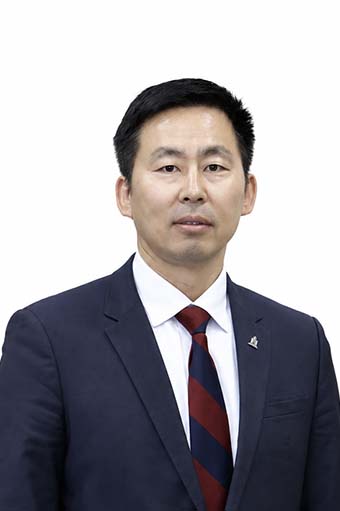
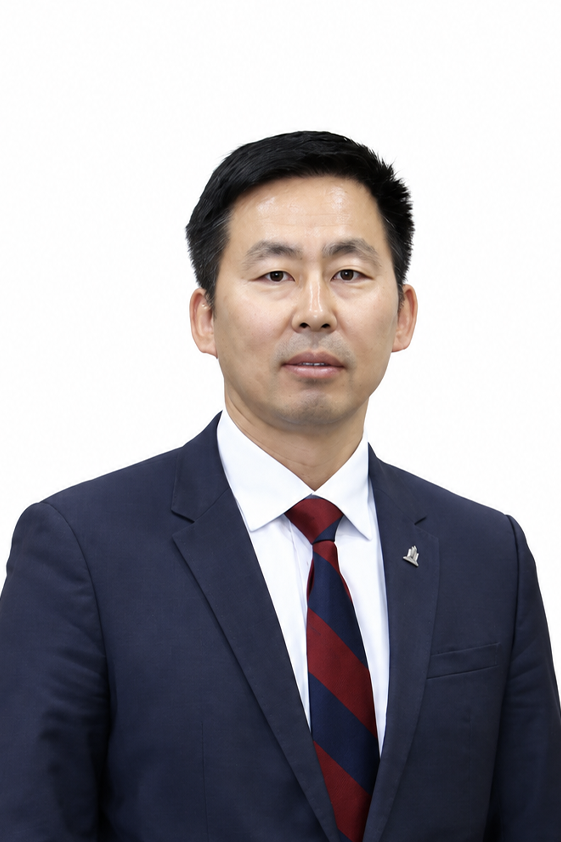
Chairman of the Commission

Dear visitor,

Welcome to the official website of the Energy Regulatory Commission of Mongolia.

In order to transition the energy sector toward a free-market economy and market-based principles, the State Great Khural (Parliament) of Mongolia adopted a new Energy Law in 2001. Pursuant to this law, the independent Energy Regulatory Commission was established with the mandate to ensure a balanced protection of the interests of investors, energy producers, and consumers, while clearly defining its powers and responsibilities.

In accordance with the Energy Law, Energy Regulatory Commission is responsible for regulating electricity and heat generation, transmission, distribution, dispatching, and supply activities, setting tariffs, and implementing policies and measures aimed at promoting energy efficiency.

Mongolia's total electricity consumption reached 12.6 billion kWh in 2025, representing an 8.6 percent increase compared to the previous year. Winter peak demand reached 1,803.2 MW, an increase of 8.9 percent year-on-year. Of the total electricity consumed, 78.6 percent was supplied by domestic generation while 21.4 percent was imported.

In recent years, Mongolia's installed electricity generation capacity has increased by 372 MW, reaching a total of 1,936.4 MW. Despite this growth, electricity demand continues to rise steadily each year, particularly during the winter season when capacity shortages become more pronounced. Consequently, domestic power plants have been operating at full capacity with little or no reserve generation available, presenting an ongoing challenge for the sector.

In 2025, several major energy projects were commissioned, making significant contributions to improving the reliability of electricity generation and supply. These included the 300 MW Buuruljuut Power Plant located in Bayanjargalan soum of Tuv Province, the first two 22 MW units of the Toson Thermal Power Plant in Tosontsengel soum of Zavkhan Province, and a 10 MW / 42 MWh Battery Energy Storage System in Yesonbulag soum of Govi-Altai Province.

As part of the energy sector reform initiated in 2024, Energy Regulatory Commission is focused on restoring the sector’s financial sustainability, progressively implementing cost-reflective tariff regulation, and enhancing the continuity, reliability, and quality of energy services provided to consumers.

In line with Mongolia's Five-Year Development Guidelines for 2026-2030, the Commission is providing regulatory support for measures aimed at encouraging private sector investment in the energy sector, expanding distributed renewable energy generation, diversifying energy sources, attracting foreign investment, and gradually transitioning to a competitive wholesale electricity market.

Through this website, you can access regulatory legislation, policy documents, and up-to-date information regarding the activities of the Commission. We also welcome your feedback and encourage you to share your views and suggestions with us.

Yours sincerely,

Jambaa Lkhagvaa
Chairman
Energy Regulatory Commission of Mongolia

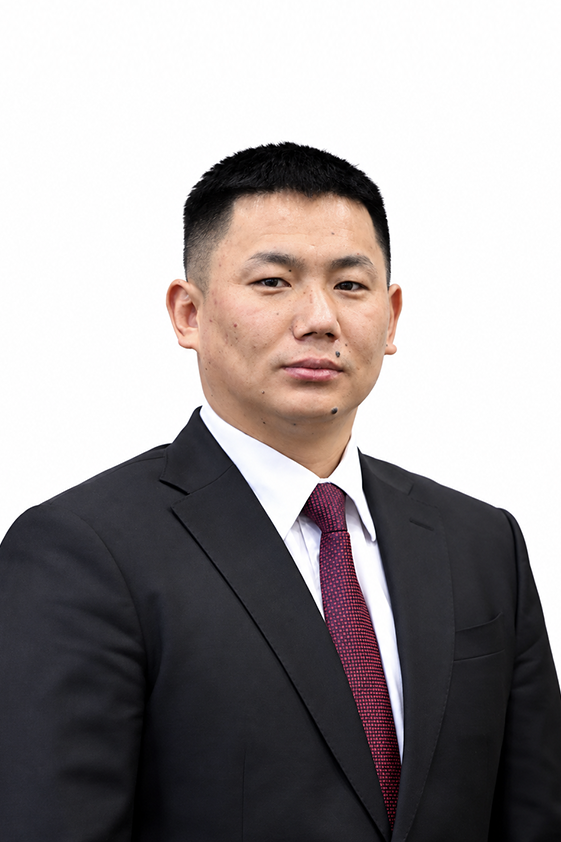
Jambaa Lkhagva
Chairman

Jambaa Lkhagva

Jambaa Lkhagva holds a master’s degree and is a qualified physicist and nuclear technologist. With 18 years of experience in the Energy sector, he has served as a specialist, head of division, and deputy director at the Ministry of Energy, the Energy Regulatory Commission, and international organizations. He is an Professional Energy Engineer and is proficient in English.

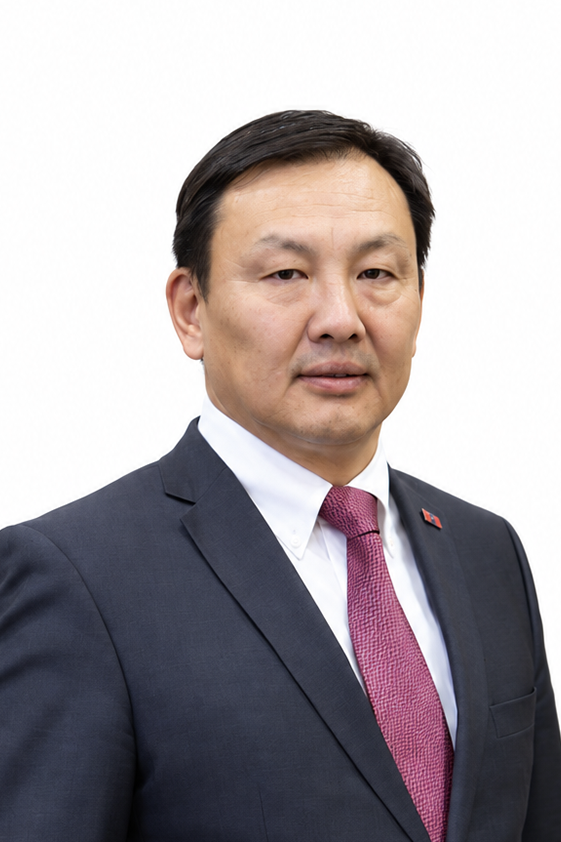
Azbayar Altanbulag
CommissionerAzbayar Altanbulag

Azbayar Altanbulag has over 16 years of professional experience in energy sector, having served in both engineering and senior management roles within electricity distribution, tra

mailazbayar.a@erc.gov.mn
Baataryn Amarsanaa
CommissionerBaataryn Amarsanaa

Baataryn Amarsanaa is a civil engineer with a master's degree. He has 31 years of work experience, including 5 years in the civil service. He has worked as a translator-engineer an

mailamarsanaa.b@erc.gov.mn
Tsogoo Dashzeveg
Non-staff commissionerTsogoo Dashzeveg

Dashzeveg Tsogoo has over 20 years of professional experience in the energy sector, having progressed through all levels of the energy sector—from electrical line technician to pro

mailtsogoo.d@erc.gov.mn
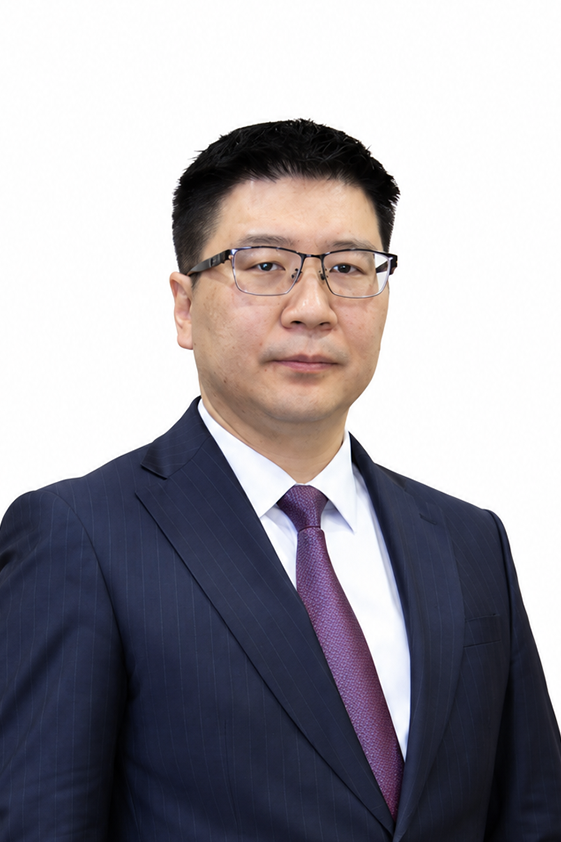
Yeren-Ulzii Batmunkh
Non-staff commissionerYeren-Ulzii Batmunkh

Yeren-Ulzii Batmunkh holds a master’s degree and is a qualified power system and automation engineer. He has 21 years of experience in the Government sector, particularly in the en

mailyeren-ulzii.b@erc.gov.mn
Vision

An organisation that leads the way to sustainable development through sound energy regulation.

Mission

To implement consumer-focused regulation that ensures the technical and economic efficiency of energy supply.

Strategic priorities

01
Sound regulation

We will implement sound, efficient, accessible, open, fair and equitable regulation that protects consumers’ interests and leads the sector, and the country, towards sustainable development.

02
Supporting efficient and reliable operation of licensees

We will support the efficient and reliable operation of licensees in order to ensure the technical and economic efficiency of energy supply.

03
Improving organisational governance

We will develop efficient and sound management by safeguarding the Commission’s independence, establishing an optimal governance and organisational structure, and introducing performance management.

Strategic goals

1. Optimal regulation

  1. Improve the tariff system and carry out tariff reform.
  2. Increase stakeholder satisfaction.
  3. Build open and continuous relations with relevant stakeholders.
  4. Improve licensing policy and regulation.
  5. Improve energy efficiency in support of climate action and sustainable development.
  6. Foster a creative team united by a shared purpose within the organisation’s culture.
  7. Work actively with international donor organisations and increase funding for projects and programmes.

2. Supporting the efficient and reliable operation of licence holders

  1. Ensure loss-free operation with an appropriate level of profit by establishing a sound tariff system that reflects actual costs.
  2. Develop documents for effective and efficient operation in line with international practice.
  3. Strengthen management and improve efficiency indicators through regulatory measures for the introduction of smart grids.
  4. Establish a unified system compliant with accounting standards.
  5. Improve rules and procedures to suit Mongolia’s specific conditions.
  6. Set long-term targets and regulate so that investment is financed from efficiency savings.
  7. Identify and secure funding to engage independent experts.
  8. Train tariff auditors for licensees.

3. Improving institutional governance

  1. Become a smart, digital organisation.
  2. Maintain the transparency of the organisation’s activities.
  3. Build a satisfied, highly qualified, capable and creative team.
  4. Implement a human resource development programme.

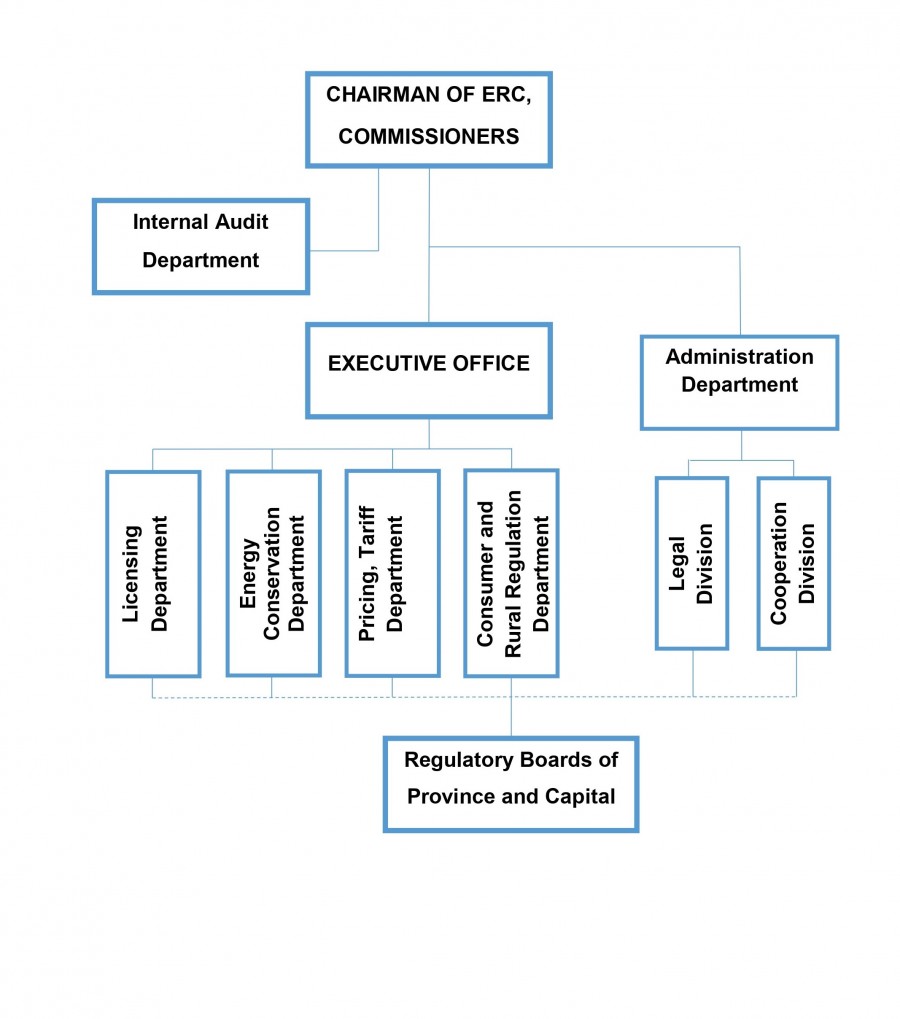
Management structure

groupsCommission

Chairman and Commissioners

corporate_fareSecretariat

Head of the Secretariat

Departments and divisions

badgeLicensing Department

Issues, renews, amends and suspends licences; responsible for the licensee register and reporting.

paymentsPrice and Tariff Department

Reviews and calculates licensees' tariff applications, develops methodologies and maintains the tariff database.

energy_savings_leafEnergy Conservation Department

Implements and regulates energy conservation policy and organises work to improve energy efficiency.

support_agentConsumer and Local Affairs Department

Resolves consumer petitions, complaints and disputes; works with the Aimag and Capital City Regulatory Councils.

admin_panel_settingsAdministration and Management Department

Responsible for human resources, finance, budget, information technology and public relations.

gavelLegal Division

Drafts resolutions and procedures, issues legal opinions and organises public consultations.

handshakeCooperation Division

Develops cooperation with international and domestic organisations and organises projects and programmes.

Organizational structure

Organizational structure

Staff contacts

ERC departments: staff positions, names, phone numbers and e-mail addresses
As of 18 September 2026 (in Mongolian)

call 976-11-320126 · mail info@erc.gov.mn